banner

Trip blogs from: Helgoland

Home Biota: what is it? Animals Plants Mammals Birds Insects NL EN

This page shows the blog pages. For most trips, there is one blog per day. Clicking on the photo for a day will take you to a slider: a photo carousel that shows the photos large. Clicking on the title will take you to another page with more information about the photos.

The link Top will take you back to the top of this list.
TitleDay 1: Helgoland, Schleswig-Holstein
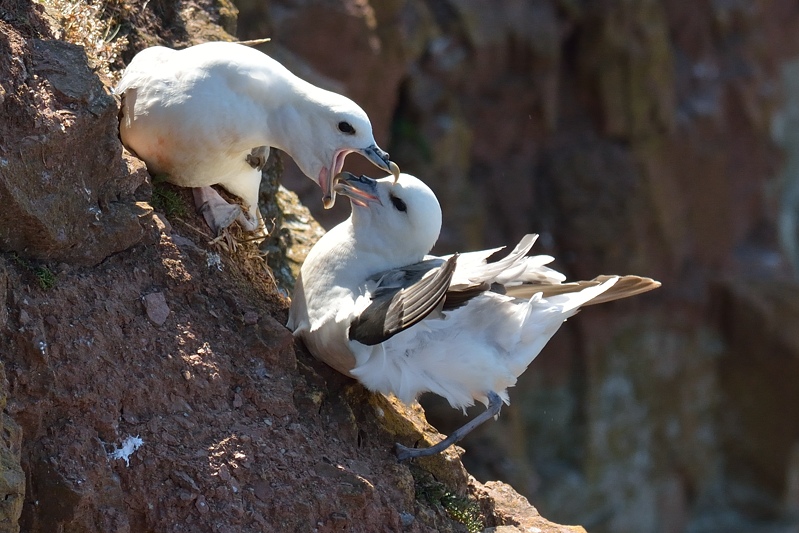
The first day we explore the north side of the islands. The gannets were literally feeding right to the edge of the walking path. The other birds are much more careful, the kittiwakes keep their distance from the people, they have a spot on the steep rock. On the north side, which are more difficult to see, fulmars also breed.
Date:2014-06-23
TitleDay 2: Helgoland, Schleswig-Holstein
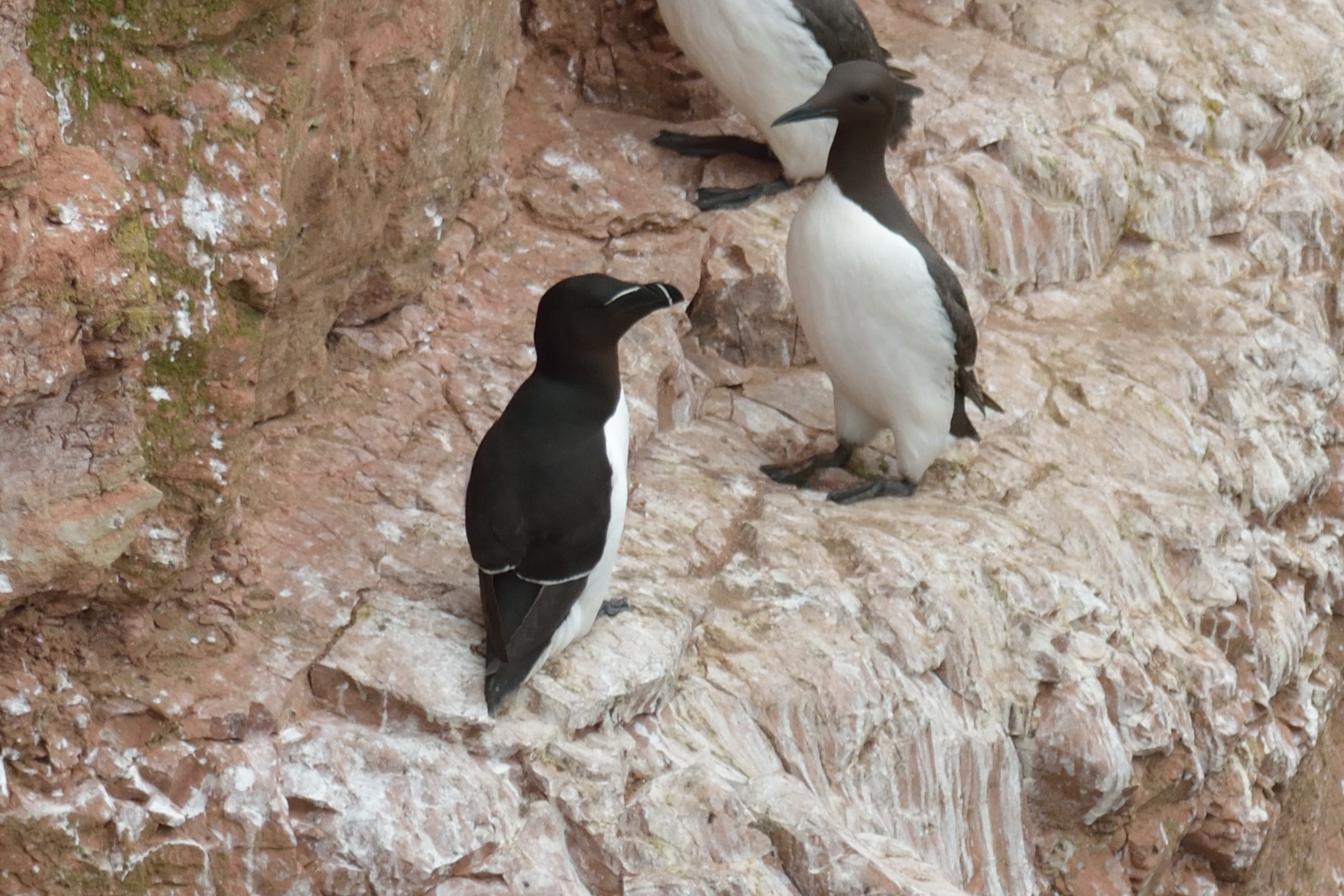
There is only one rock path, so the photos are again from the same path. Now I have tried to photograph more nesting birds. Today we counted 9 species in Heligoland. Best shots: the Guillemot (Uria aalge) and the Gannet (Morus bassanus). (auto-text)
Date:2014-06-24
TitleDay 3: Helgoland, Schleswig-Holstein
You can keep walking around and then I'll be done. Yet it will be more of the same. The most beautiful shots are of the Northern Gannets (Morus bassanus) and the Herring Gulls (Larus argentatus) with their young.
Date:2014-06-25
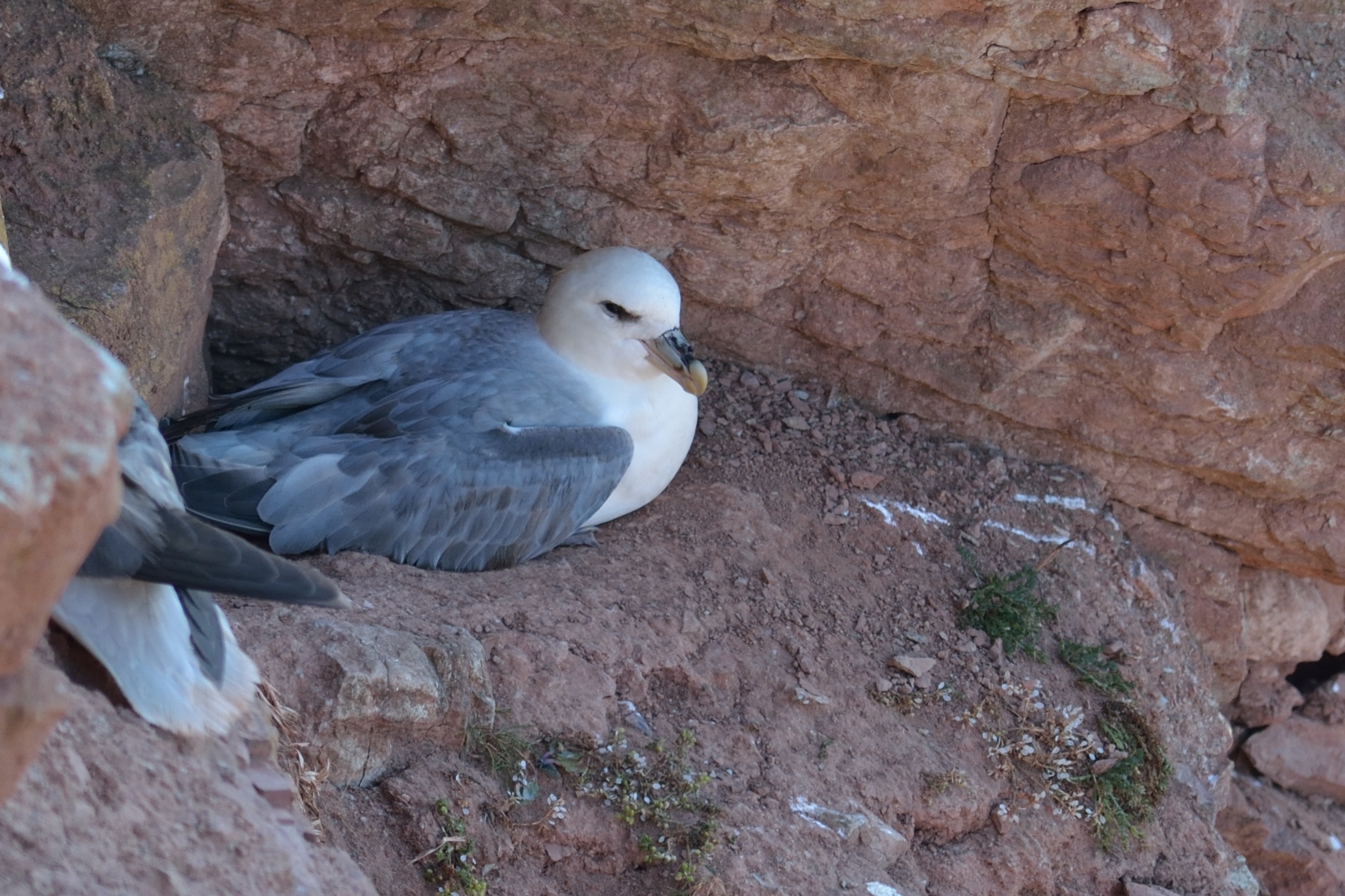
<a href="/trips/helgoland/biota/animalia/chordata/aves/010 procellariiformes/002 procellariidae/fulmarus glacialis/fulmarus glacialis-en.html">Fulmarus glacialis</a> / Northern fulmar / Noordse stormvogel
TitleDay 4: Helgoland, Dune (Helgoland)
In the morning we take the ferry to Düne. The island is the resting place for the seals on the north and west side of the island. The south beach is for tourists. When we sailed there it was not yet busy. There are also quite a few sandpipers on the beach, and many lesser black-backed gulls breed in the dunes. Dune (Helgoland) and Helgoland together yielded 11 species. The highlight of the day: the Fulmar (Fulmarus glacialis).
Date:2014-06-26